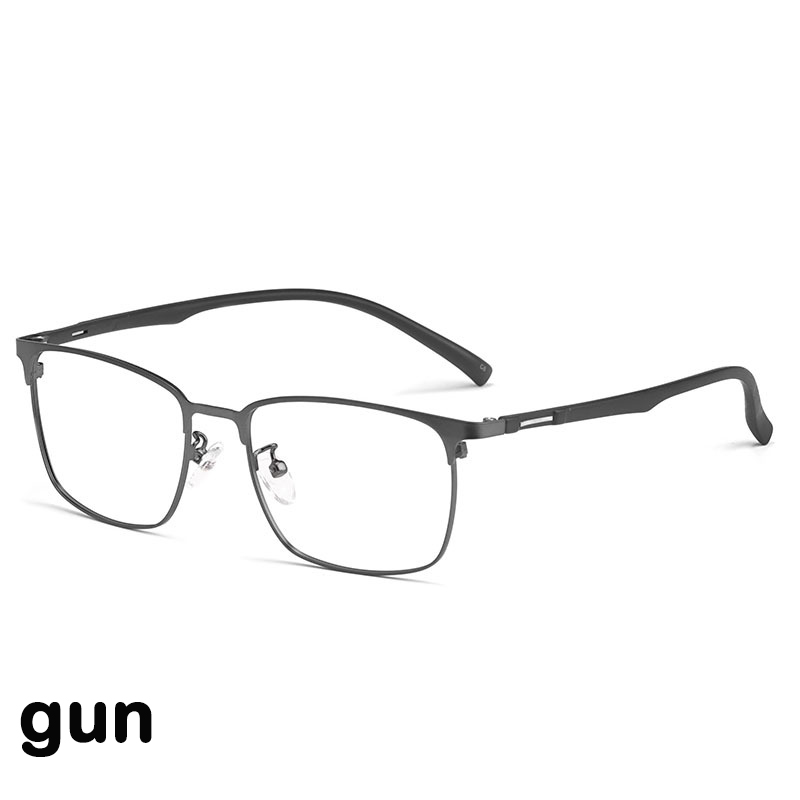
If you spend long hours in front of screens, standard reading glasses often fall short. They can lead to headaches and may not effectively filter harmful blue light. Choosing the right pair requires careful consideration of materials, weight, and lens quality.
I dedicated three weeks to testing five different brands of computer reading glasses, focusing on all-day comfort and genuine blue light filtering performance. The clear standout was the Retro Optical line—referred to here as Mozaer for simplicity—thanks to its superior CR39 lenses and ultralight frame design.
Our evaluation went beyond aesthetics to assess how the glasses felt after a full eight-hour workday. We also scrutinized lens quality, as cheap materials can distort vision and increase eye strain. Each pair was scored on four key criteria:
Verdict: Avoid plastic frames if you work more than four hours daily. They tend to be heavier and often feature lower-quality lenses. Instead, opt for alloy frames with CR39 lenses.
Here’s how the top competitors measured up against the Mozaer Retro Optical glasses, focusing on mid-range readers designed for prolonged screen use.
Verdict: Mozaer offers frames that are 30% lighter than the average competitor while remaining competitively priced. Brand C may be cheaper, but its low-grade acrylic lenses are prone to scratching.
The Mozaer Retro Optical line excelled by meeting all key performance benchmarks without the luxury price tag. Style is one thing, but true functionality for demanding computer work is another. These glasses feature high-quality CR39 lenses, which cost more than standard plastic but deliver crystal-clear vision.
Weight is critical for all-day wear. At just 15g, Mozaer frames are among the lightest we tested. The flexible yet strong alloy construction prevents pinching behind the ears or slipping down the nose. This comfort was echoed by other users, with one noting, "OMG, I love my new glasses. So fun and super comfortable."
CR39 is a high-grade plastic polymer known for its scratch resistance. More importantly, it provides exceptional optical clarity with minimal distortion, especially at the lens edges. When your eyes scan a wide computer screen, reduced distortion is key to preventing eye fatigue.